A Balanced Approach to Fire Protection

The International Building Code (IBC) emphasizes a balanced approach when addressing fire safety elements.
Layered Safety Approach
This approach ensures comprehensive life safety for any building. The IBC incorporates a combination of factors based on the building’s type, combustibility, size, area, and height. These considerations guide the design of a building’s three-part Fire Protection plan.
Understanding Fire Protection Principles
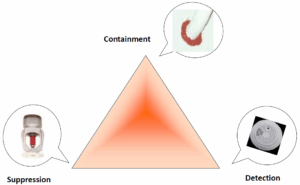
To fully grasp the role of fire stopping, it’s essential to understand the core components of fire protection:
- Detection Systems
The first line of defense includes systems such as fire alarms, smoke alarms, and egress lighting. These provide early warnings to occupants. - Active Suppression Systems
These include fire extinguishers and sprinkler systems. Active suppression is what most people associate with fire safety, as these systems actively combat and extinguish fires. - Passive Fire Protection
Often overlooked or considered too late, passive Fire Protection—such as fire stopping and containment—is critical. Its purpose is not to extinguish fires but to contain them and their combustion products at the point of origin. This containment provides time for occupants to evacuate safely and for firefighters to operate in a protected environment.
The Role of Passive Fire Protection
The IBC prescribes specific features to limit the spread of smoke and fire. These include:
- Fire-rated assemblies (e.g., walls, smoke barriers)
- Protection for openings (e.g., fire-rated doors, walls, windows)
- Requirements for smoke management, fire detection, and alarm systems
- Structural protection to prevent building collapse
Passive Fire Protection complements active systems, ensuring that the fire is contained and minimizing overall damage.
A Balanced Fire Protection Plan
To illustrate the concept of balance, consider automobile safety. Seat belts, airbags, and other restraints work together to protect passengers. Similarly, Fire Protection systems need a coordinated approach. While active systems are widely recognized, passive systems are equally vital to ensure comprehensive safety.
By integrating these elements, we can achieve a robust and effective fire protection plan for our buildings.
To learn more, request a FREE AHJ Training Seminar.